When it comes to applying a fresh coat of paint to surfaces like cars, furniture, or industrial parts, two methods often come into play: spray painting and baking paint. While both aim to enhance appearance and provide protection, they differ significantly in process, results, and ideal use cases. Let’s break down these differences in detail.
Are you looking for a reliable manufacturing partner that offers precision CNC machining, sheet metal fabrication, and custom production services? At LML, we specialize in high-tolerance parts manufacturing and global exports, ensuring quality and efficiency at every step. Here’s how our simple and transparent ordering process works:
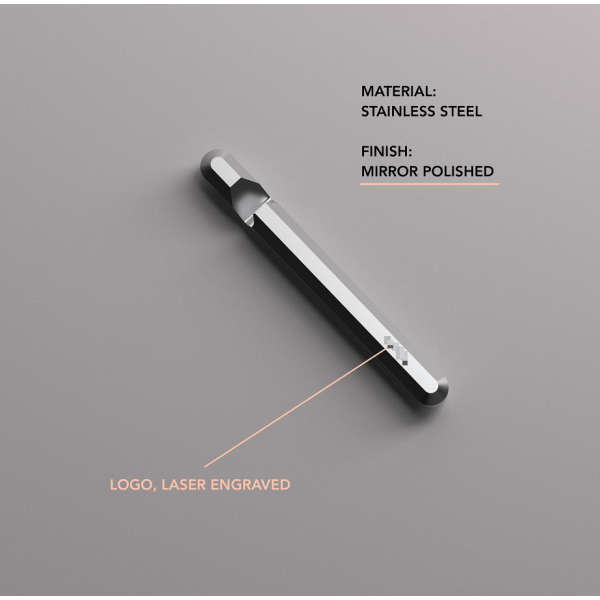
In the competitive manufacturing world, brand identification has become increasingly crucial. For companies using CNC machining to produce metal parts, adding a permanent logo isn't just about branding—it's about authenticity, traceability, and professionalism. This article explores the primary methods for adding your brand logo to metal components: engraving, etching, screen printing, and other innovative techniques.
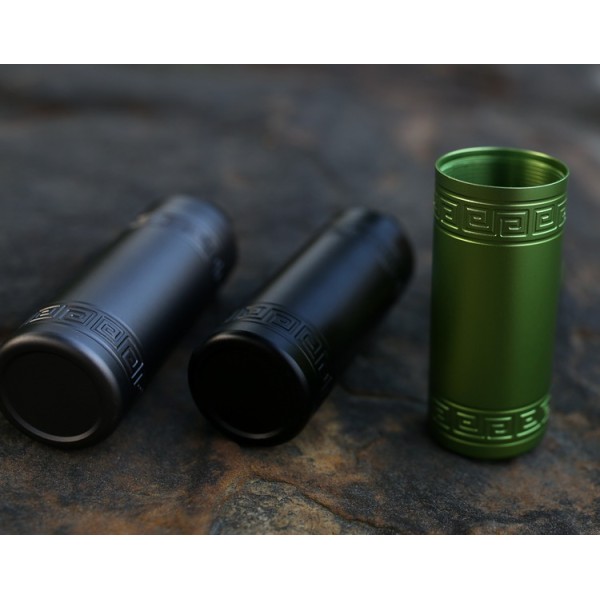
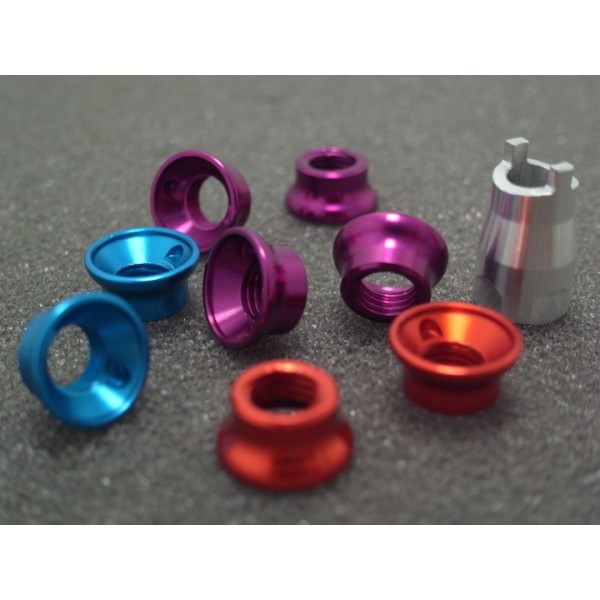
Anodizing transforms aluminum into a more durable, corrosion-resistant material while offering aesthetic versatility. Among the various surface finishes available, the matte (or satin) finish has gained significant popularity for its sophisticated appearance, reduced glare, and ability to hide fingerprints and minor scratches. But how exactly is this matte texture achieved, and what roles do acid and alkaline cleaning play in the process?
Polishing is a critical surface treatment process. It transforms rough, uneven surfaces into smooth, functional, or visually appealing finishes. This isn’t just about making things shiny. Polishing solves real-world problems across industries—from stopping corrosion in medical tools to reducing friction in aircraft engines. Here’s a straightforward breakdown of how polishing works, the results it delivers, and where it’s used every day.
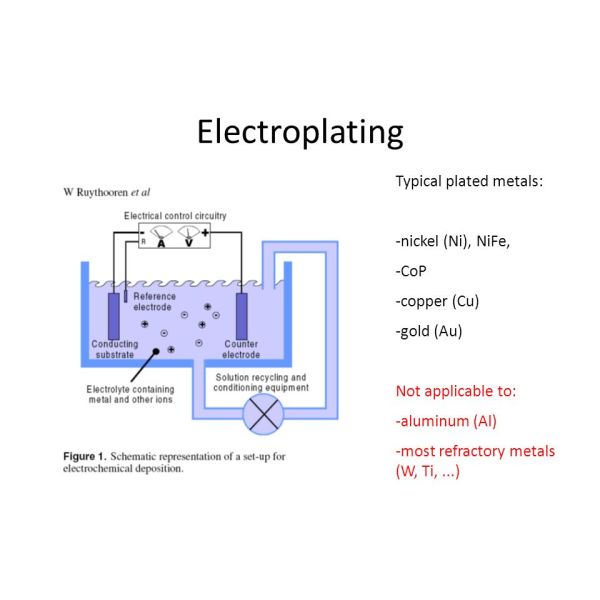
Electroplating is a sophisticated electrochemical process that deposits a thin layer of metal onto a substrate using direct current. This technique is widely employed across industries to enhance appearance, improve corrosion resistance, increase surface hardness, and augment electrical conductivity. The process involves dissolving the coating metal from an electrode (anode) and depositing it onto the workpiece (cathode) through electrochemical reduction.
In the world of surface engineering, two prominent technologies dominate the landscape of metal finishing: Physical Vapor Deposition (PVD) and electroplating (often called "ordinary electroplating"). Both techniques apply thin layers of metal onto objects, but they achieve this through fundamentally different processes and yield distinct results. Understanding their differences is key to selecting the right coating for any application.